Is Morocco Safe for American Tourists? 2026 Safety, Visa & Dress Code Guide
Many Americans enjoy visiting Morocco. For a first trip, plan around the U.S. State Department’s Level 2 advisory, take care with valuables in crowded medinas, and know how to reach help. Our team in Casablanca and Marrakech explains what that means for your 2026 or 2027 itinerary.
Published
At a glance
- The U.S. advisory is Level 2 because of terrorism. Check it again before you leave.
- U.S. tourists can stay up to 90 days without a visa. Check the expiry date and blank pages in your passport.
- Save emergency numbers before arrival and keep your riad’s address available offline.
American visitors often ask us what to expect between landing at the airport and finding their way through a medina. Morocco has long-standing ties with the United States. It opened its ports to American ships in 1777, and the two countries signed a Treaty of Peace and Friendship in 1786. For your trip today, the most useful preparations are checking entry rules, planning how you will reach your accommodation, and knowing where to get current advice.
1. U.S. State Department Travel Advisory Explained
As checked on November 22, 2026, the U.S. State Department’s advisory for Morocco is Level 2 — Exercise Increased Caution because of terrorism. The advisory identifies tourist sites, transport hubs and busy markets as places to stay alert. Avoid demonstrations and follow local authorities’ instructions.
France, Spain, Italy and the United Kingdom also carry Level 2 advisories at the time of writing. Each country’s advisory explains its own risks. In Morocco, a practical distinction for visitors is between the more common risk of pickpocketing in crowds and the risk of a mugging or assault, particularly in an isolated area after dark.
- In a busy medina. In Marrakech’s Jemaa el-Fnaa or Fes el-Bali, keep your phone and wallet secure while watching performers, taking photos or negotiating a price.
- After dark. Ask your riad which entrance to use and where a registered taxi can drop you. A familiar, well-lit route is a better choice than an unfamiliar shortcut.
2. 2026 Entry & Visa Requirements for U.S. Citizens
- Visa-free entry for up to 90 days. With an ordinary U.S. passport, you can visit for tourism for 90 days or less without applying for a visa or eVisa. If you want to stay longer, contact Moroccan immigration before your authorized stay expires.
- Passport validity. Allow at least six months of validity from the day you enter Morocco and one blank page for each stamp, as specified in the U.S. entry guidance.
- Your first hotel or riad. Save the name, street address and telephone number offline. You can show the address if an immigration officer asks where you are staying, and use it to arrange your pickup.
- Drone restrictions. Leave your drone at home unless you have obtained prior authorization from the Moroccan authorities. This applies to bringing a drone into Morocco as well as using one. Customs can confiscate an unauthorized drone on arrival.
3. City-by-City & Region Safety Overview
- Marrakech. Tourist police operate in the medina. When visiting Jemaa el-Fnaa in the evening, choose a meeting point before your group enters the square. Ask your riad for the name of the nearest gate that a taxi can reach.
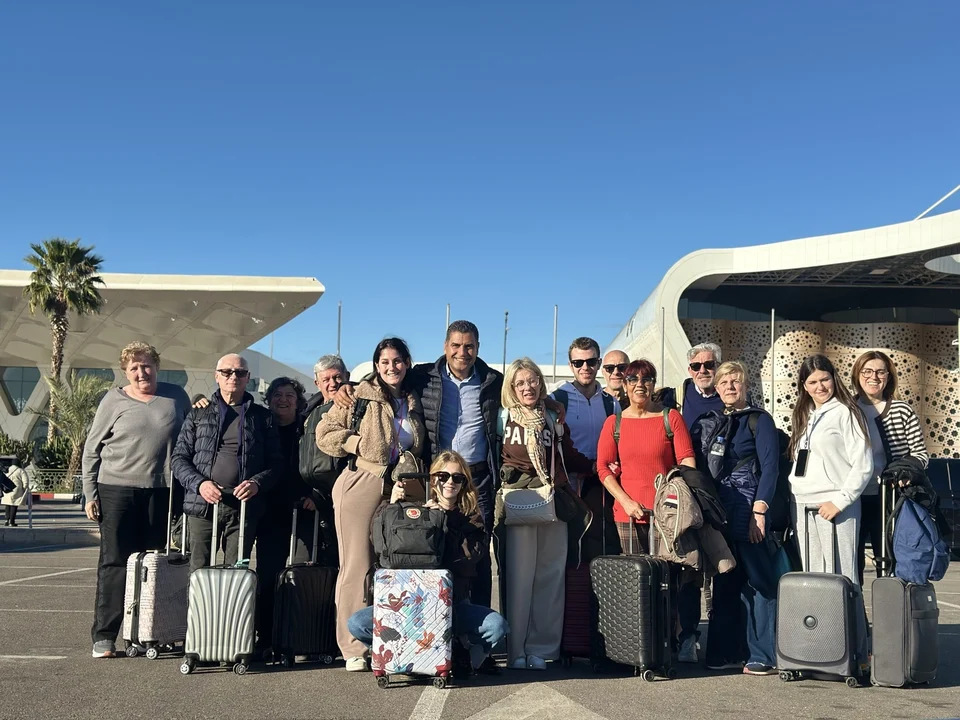
- Casablanca and Rabat. Stations, tram stops and city-center markets get busy. Keep luggage beside you while buying tickets. For a late arrival, agree on a pickup point before leaving the station or airport.
- Fes and Chefchaouen. Fes el-Bali has narrow, branching lanes. A licensed local guide for your first half-day can help you find your bearings. Chefchaouen is easy to explore on foot, but its steep stone steps can be slippery after rain.
- Merzouga and Erg Chebbi. Arrange your desert transfer with an experienced driver and an established camp. Before leaving town, confirm the meeting point, whether the last stretch is by 4×4 or camel, and how the camp handles a medical emergency. Phone coverage and access to care can be limited away from town.
4. Practical Street-Smarts & How to Avoid Common Scams
- Check unsolicited directions. If someone says the tannery is closed or offers to lead you down a side street, you can say “La, shukran” (“No, thank you”). Check an offline map, ask at an established shop or call your riad.
- Use official taxis or pre-arranged transfers. In a city petit taxi, ask about the meter (compteur) before leaving. For an airport transfer, have your riad or private driver confirm the fare and meeting point in advance.
- Keep bags zipped in crowds. Carry a crossbody bag in front of you. Keep phones and wallets out of back pockets and off café tables.
- Agree on prices in Moroccan dirhams (MAD). Confirm the total before accepting henna, posing for a photo with a performer or hiring someone to carry luggage to your riad.
- Save local emergency numbers. From a mobile phone, call 190 for police or 150 for ambulance or fire. From a landline, the police number is 19 and the ambulance number is 15. For the Royal Gendarmerie outside cities, call 177. Give the name of the nearest gate, monument or street so responders can locate you. U.S. emergency guidance · Emergency services in Morocco.
5. Solo Female Travelers, Families & Senior Travelers
- Solo female travelers. Women traveling alone may experience persistent comments, unwanted attention or harassment. You can end a conversation and move toward a staffed shop, hotel reception or police officer. Arrange your first-night pickup and save your accommodation’s number. A licensed guide is an option if you would like company on your first medina walk. Harassment is never the traveler’s fault.
- Families and senior travelers. Parts of the historic medinas are pedestrian-only. On private family tours and senior-friendly itineraries, tell us about stroller use, stairs or walking limitations before booking. We can confirm how close a vehicle can get to a riad, request an accessible room where available, and build in time for rest and shade.
6. Morocco Dress Code for Americans: What to Pack
A headscarf is generally optional for women sightseeing in Morocco. Light layers are useful for the change from a sunny square to a cool interior, and make it easier to dress appropriately at religious sites.
- Everyday sightseeing. For women and men, loose trousers or linen pants and a shirt that covers the shoulders are versatile. A midi or maxi skirt works well for walking if it allows you to climb steps comfortably.
- Traditional neighborhoods. Pack a light overshirt for markets, villages or a visit to someone’s home. Very short shorts and low-cut tops are better kept for the pool or beach.
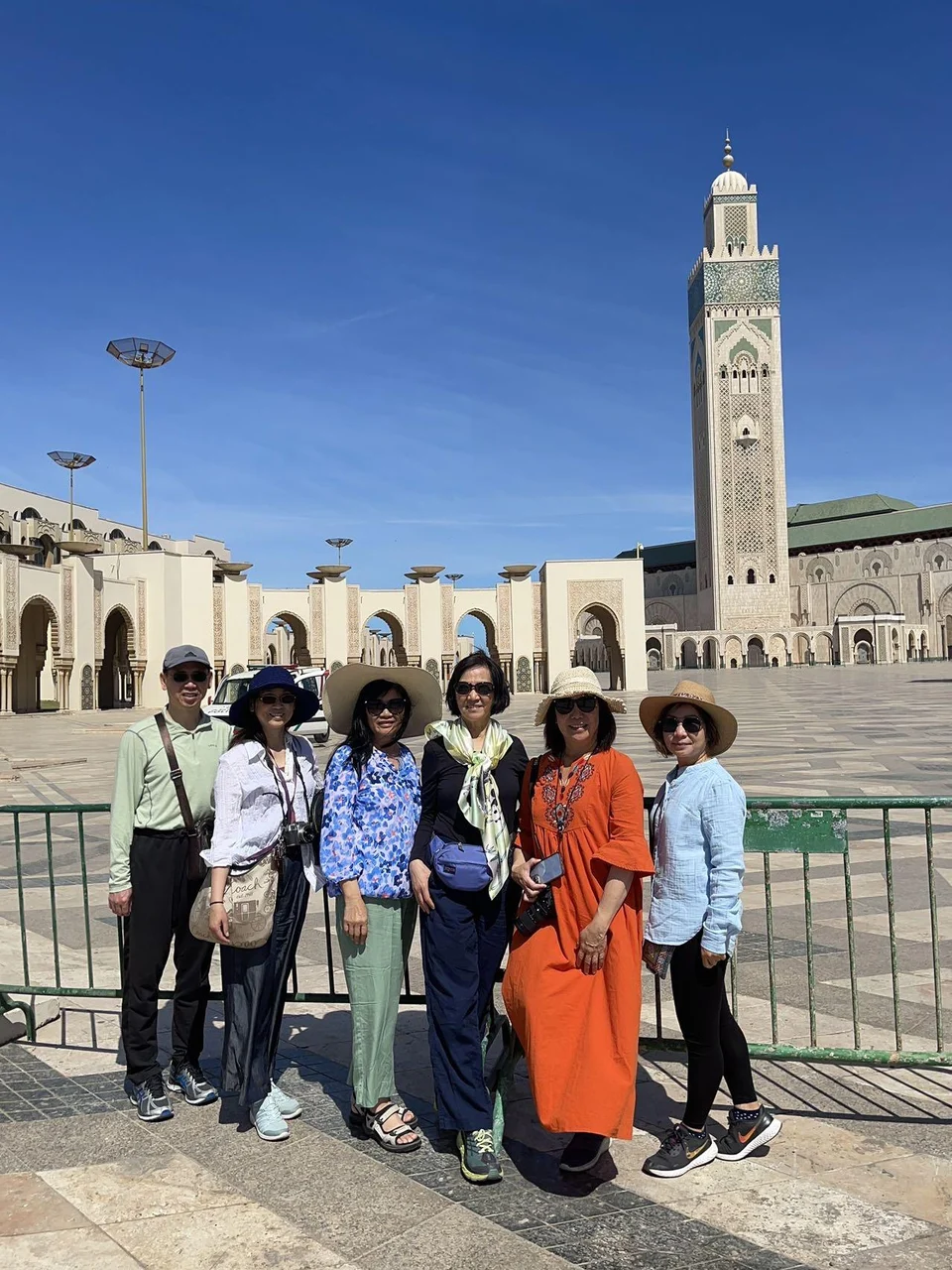
- Mosques and royal mausoleums. Non-Muslims can visit Casablanca’s Hassan II Mosque on an official guided visit. The mosque’s visitor rules call for covered shoulders and torso, clothing below the knees, and removing shoes in the prayer hall. The published dress rules do not list a headscarf requirement. For Rabat’s Mausoleum of Mohammed V, dress modestly, check that access is open and follow the attendants’ instructions.
- Hotel pools and beach resorts. Standard swimwear is customary at many hotel pools and beach resorts. Bring a cover-up for the walk through the hotel or into town, and check your riad’s pool rules.
7. Health, Food & Water Safety
- Water and ice. Choose water from a factory-sealed bottle or water you know has been properly treated. If you are unsure what water was used to make ice, order your drink without it.
- Eating out. A tagine served bubbling hot or meat cooked to order is a better choice than food left at room temperature. Choose fruit you can peel yourself, and wash your hands before eating. See the CDC’s food and water advice.
- Medical care. Private clinics are available in Casablanca, Rabat and Marrakech. Ask your insurer which facilities it recommends, whether you must pay up front, and whether your policy covers medical evacuation from rural areas. Save the assistance number offline before leaving home.
Frequently Asked Questions: Morocco Safety for Americans
Do Americans need a visa to visit Morocco in 2026?
No. U.S. citizens traveling on an ordinary U.S. passport can visit Morocco for tourism for up to 90 days without a visa or eVisa. The U.S. State Department lists six months of passport validity on arrival and one blank page per stamp. Check your passport and the current entry rules before departure.
Can you drink alcohol in Morocco?
Yes. Visitors can order alcohol at licensed restaurants, bars and hotels. Some supermarkets have licensed sections that sell alcohol to take away. Drink at a licensed venue and avoid drinking in streets, squares or other public places. See the guidance on local alcohol laws.
Is it better to explore Morocco independently or with a private driver?
Trains work well between Casablanca, Rabat, Fes and Marrakech. For Chefchaouen, Ait Benhaddou, the Atlas Mountains and Merzouga, plan a road transfer or bus journey for at least part of the trip. If you prefer one team to coordinate the route, a licensed local operator like Aisha Morocco Tours can arrange an English-speaking driver, riads and licensed city guides.
Check current travel information
Advice and entry requirements checked on November 22, 2026. Before departure, review the U.S. State Department’s Morocco advisory and entry rules and the CDC’s Morocco travel health guidance for updates that may affect your dates.
Would you like local guides and door-to-door private transport? Browse our Private Morocco Tours or request a custom itinerary and quote in USD.